


The Palestinian Voice To Be Heard at the United Nations General Assembly: Baerbock
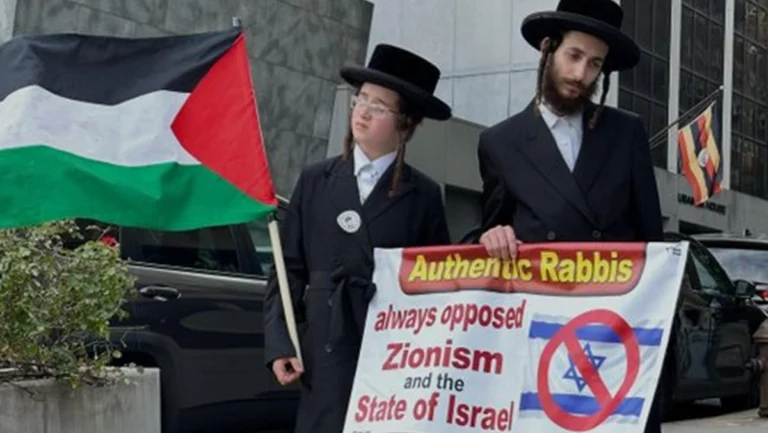
X/ @jewishvoicelive
September 18, 2025 Hour: 11:44 am
🔗 Comparte este artículo
President Abbas’ absence will not halt debate on Gaza or international recognition of Palestine.
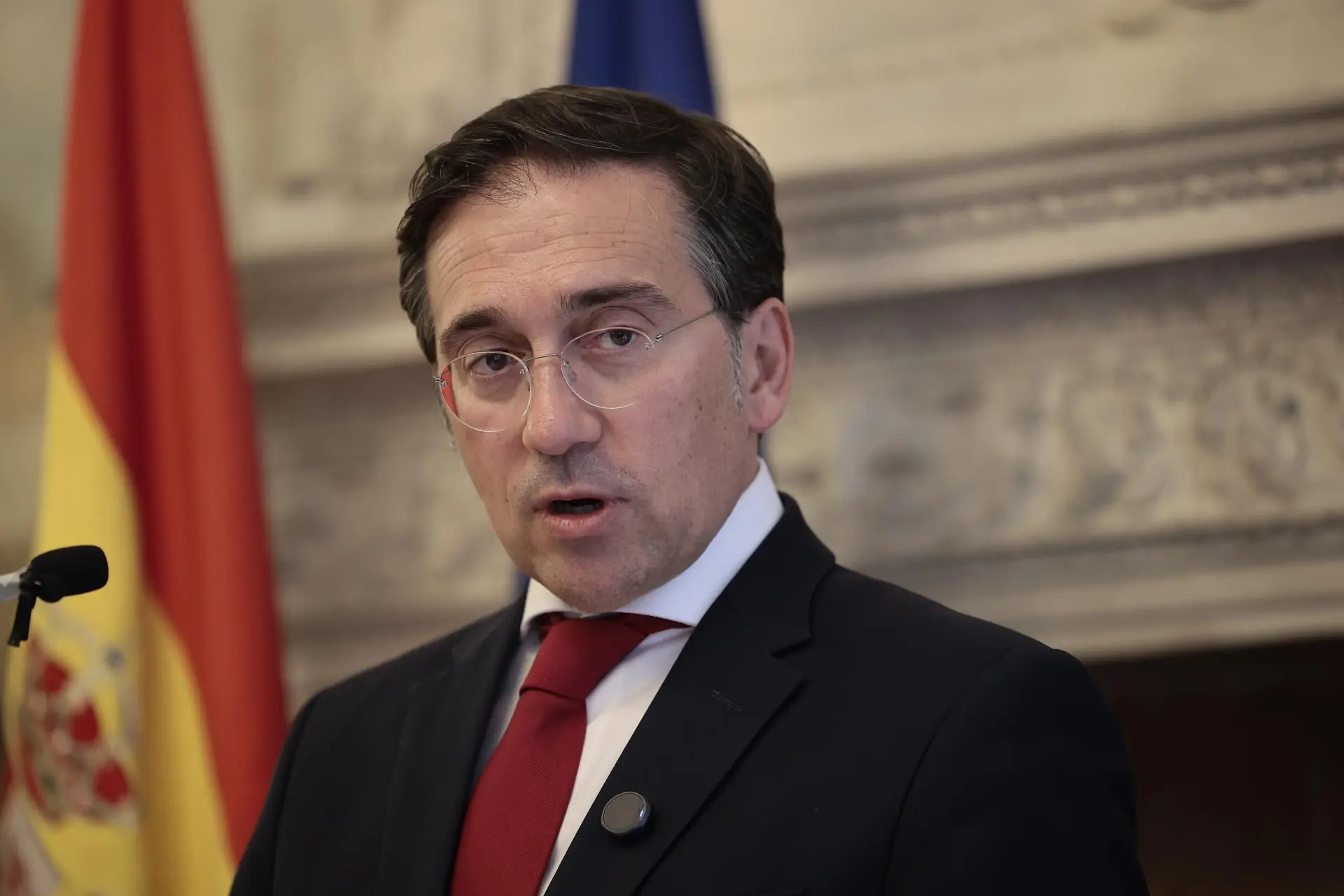
Annalena Baerbock, president of the United Nations General Assembly (UNGA), said Palestine’s voice will be heard at the Assembly even if “alternative options” are needed in place of Palestinian Authority President Mahmoud Abbas, whom the United States goverment has denied an entry visa.
RELATED:
Luxembourg to Recognize State of Palestine at September UN Summit
Recently appointed to the one-year post, Baerbock — Germany’s former foreign minister (2021-25) — has had to confront the “hot potato” of President Donald Trump’s decision to refuse visas to the Palestinian government.
The move, announced Sept. 1, followed the breakdown of agreements between the U.N. and the host country requiring the latter to issue such visas “regardless of the relations between the governments concerned and the government of the United States.”
Although the U.N. says it remains in open talks with Washington to reverse the ban, all indications suggest Abbas will not be able to attend. Officials are discussing the possibility of his participation via videoconference, a decision to be taken this week in an ad hoc session of the UNGA plenary.
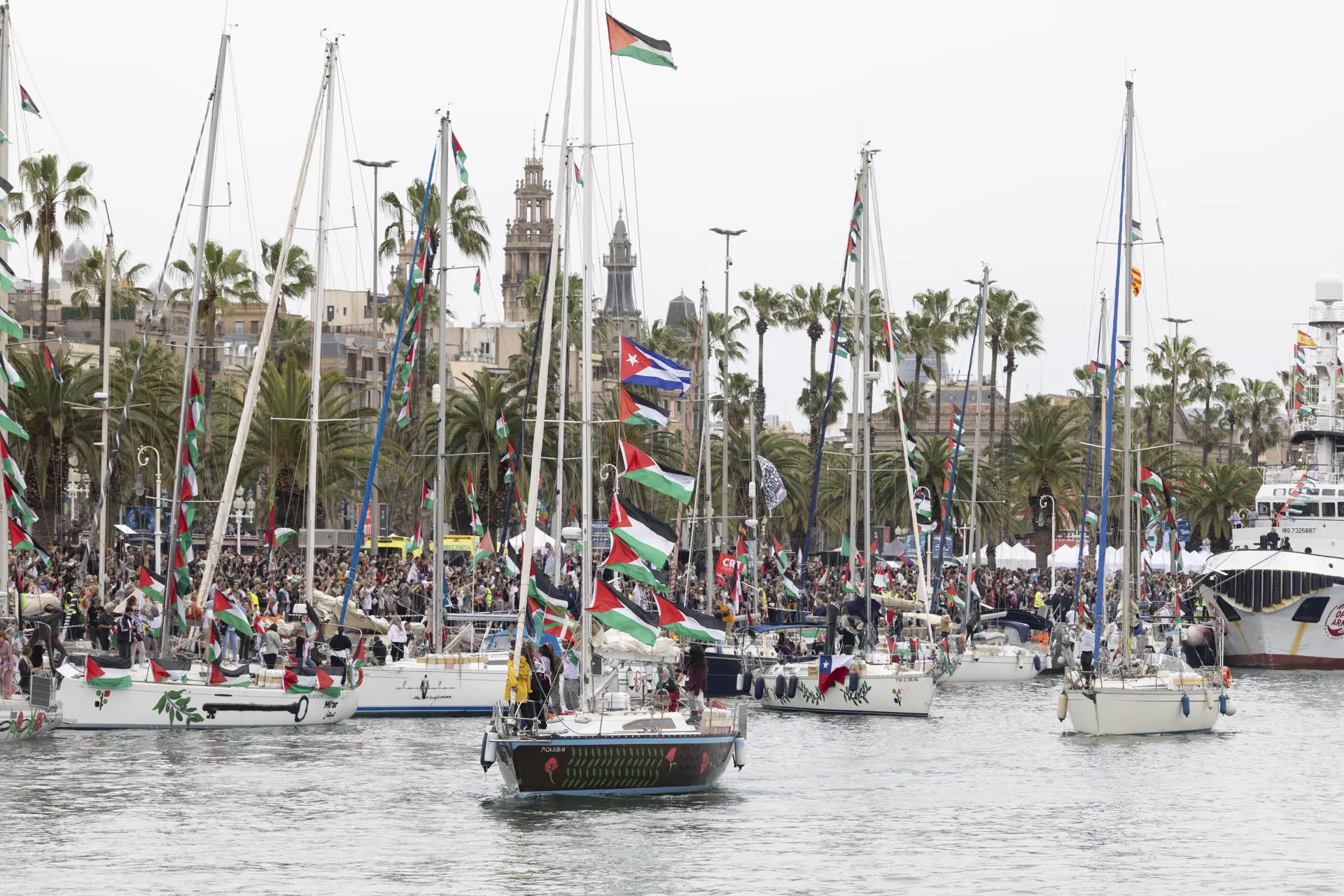
Abbas’ physical absence will not prevent the Palestinian issue and the Gaza war from taking center stage, nor will it delay the expected recognition of the State of Palestine, which is set to be formalized at the forum by countries that had so far resisted doing so, including France, the UK, Canada and Australia.
Baerbock takes office at a critical moment in which the U.N. faces “enormous financial and political pressure” to improve its efficiency, repeated calls for structural reform, and actors — whom she declined to name — “who would like to see the U.N. Charter torn to pieces, even though that charter is the lifeline for many countries around the world.”
The German diplomat acknowledged that “the U.N. is not perfect,” as seen in the proliferation of wars across continents, but defended the organization’s role “when we all act together.”
She cited the pandemic and climate change as phenomena “that do not recognize passports,” and also highlighted the 125 million people fed through the UN World Food Program (FAO) and the 26 million children attending school thanks to UNICEF.
For Baerbock, international diplomacy requires patience and long timelines. She pointed to the Paris climate agreements, achieved after seemingly endless setbacks and now considered a landmark of multilateral cooperation — though she did not mention the U.S. withdrawal.
Baerbock said the UNGA must remain a common ground where all 193 member states, big or small, debate shared challenges “even at times when we disagree on so many things.”
At a time when the U.S. is even questioning the Sustainable Development Goals (SDGs), Baerbock said they will remain a pillar of her tenure.
“The SDGs define a world where men and women are equal, everyone enjoys the same rights, and we can help countries that do not have the same economic and social opportunities. That is what we have promised as an international community to people all over the world,” the UNGA president concluded.
teleSUR/ JF
Source: EFE